(607) 303-6554
 Call Us Now
 Email Us Now

Losing someone close to you is hard enough. Then come the questions: What happens to their belongings? Who’s in charge? Does everything have to go through court? If you’re managing a loved one’s estate in or around Cooperstown, understanding how New York’s probate process works can make a difficult time feel a little more manageable.
This post walks you through what probate actually involves, what the court expects from you, and how to prepare.
What Is Probate in New York?
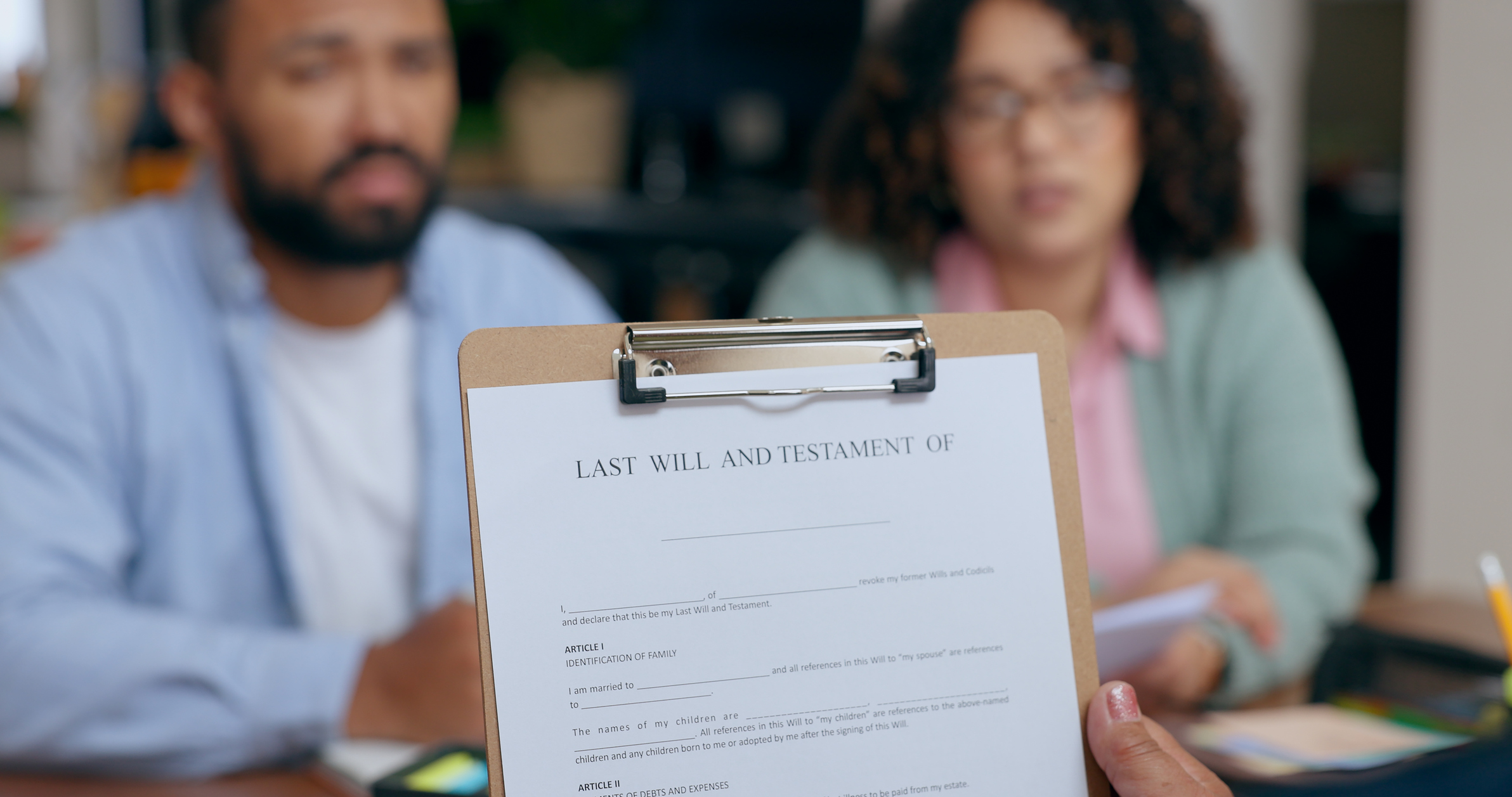
Probate is the legal process of validating a will and authorizing someone to distribute a deceased person’s assets under court supervision.
When a person dies with a will, the court reviews that document to confirm it meets New York’s legal requirements before allowing the named executor to act. If someone dies without a will, a similar process called administration takes place, and the court appoints an administrator under New York’s intestacy laws.
In New York, probate is handled by the Surrogate’s Court. Otsego County, where the decedent was domiciled at death—with its courthouse in Cooperstown —has its own Surrogate’s Court in Cooperstown. That’s where local estates are filed and overseen.
Not every asset passes through probate. Jointly held property, accounts with named beneficiaries, and assets held in trust typically transfer outside of probate entirely. Only assets titled solely in the decedent’s name without a designated beneficiary generally go through this process.
How Does the Probate Process Begin?
To start probate in New York, the named executor files a petition with the Surrogate’s Court, along with the original will and a death certificate.
The petition asks the court to admit the will to probate and issue Letters Testamentary, the formal document that authorizes the executor to act on behalf of the estate. Without those letters, banks, brokers, and government agencies won’t recognize the executor’s authority.
As part of the filing, the executor must list the decedent’s distributees—those who would inherit under intestacy law—and either obtain signed waivers and consents or have the court issue citations to them, while also providing notice to named beneficiaries. This notice gives them an opportunity to object to the will if they have grounds.
The required filing fees depend on the value of the estate. New York Surrogate’s Court filing fees are set by statute under SCPA section 2402 and are computed on the gross estate passing by will as stated in the petition, subject to adjustment if the reported value changes.
What Happens After the Petition Is Filed?
After filing, the court reviews the petition, processes citations, and, if there are no objections, issues Letters Testamentary to authorize the executor.
Once the executor receives those letters, the real work begins. Their responsibilities typically include:
- Identifying and gathering all estate assets
- Notifying creditors and paying valid debts
- Filing the decedent’s final income tax return and any estate tax returns required
- Maintaining and managing estate property during the process
- Distributing remaining assets to beneficiaries according to the will
New York law requires executors to act in the best interest of the estate and its beneficiaries. Fiduciary duties under New York law, including EPTL Article 11 and the Prudent Investor Act, require executors to manage assets prudently and maintain strict loyalty, which means keeping careful records, avoiding self-dealing, and staying organized throughout.
How Long Does Probate Take in New York?
New York probate timelines vary, but straightforward estates often take several months to over a year, depending on complexity and whether disputes arise.
A simple, uncontested estate with a clear will and modest assets often moves through Surrogate’s Court more quickly, though New York does not set a statutory timeline. Larger or more complex estates, especially those involving real property, business interests, or multiple beneficiaries, often take considerably longer.
Delays can stem from disputes among beneficiaries, creditor claims, missing documents, real estate that needs to be sold, or tax issues requiring resolution. Court scheduling also plays a role. Otsego County Surrogate’s Court, like many rural courts, has limited resources compared to larger counties, which can affect processing times.
This is one reason why some families in Cooperstown choose to plan ahead using tools like revocable trusts, which allow assets to pass to beneficiaries without going through Surrogate’s Court at all.
Does a Will Always Go Through Probate?
Not every will triggers full probate. The answer depends on the type of assets involved and how they are titled.
In New York, if an estate contains $50,000 or less in personal property, it can avoid full probate by using Voluntary Administration, commonly known as a small-estate affidavit. However, if the decedent owned real property, full probate is generally still required regardless of the personal property value. Additionally, if all assets passed by joint ownership or beneficiary designations, full probate may not be necessary at all.
That said, many people are surprised to discover that certain assets they expected to pass easily still require court involvement. This is why understanding your estate plan in advance, and making sure it’s structured correctly, matters so much.
If you want to understand how a will fits into a broader plan, this post on wills vs. trusts in New York explains the key differences and when each tool makes the most sense.
What If There Is No Will?
When someone dies without a will in New York, the estate passes through administration under EPTL 4-1.1, which sets the order of priority for heirs.
In this situation, the Surrogate’s Court appoints an administrator, usually a close family member, who performs many of the same tasks as an executor. The difference is that distribution follows the statutory formula rather than the wishes of the deceased.
This is often more complicated, time-consuming, and emotionally difficult than probate of a clear will. It’s one of the strongest reasons to have a valid will in place before it’s needed.
Working Through This Process
If you’re facing probate in Otsego County, or trying to plan ahead so your family won’t have to, Lauren Glynn Law PLLC is here to help. The firm’s probate services are designed to guide families through this process with clarity and care. Call 607-303-6554 or reach out to get started.
Last updated: May 2026